

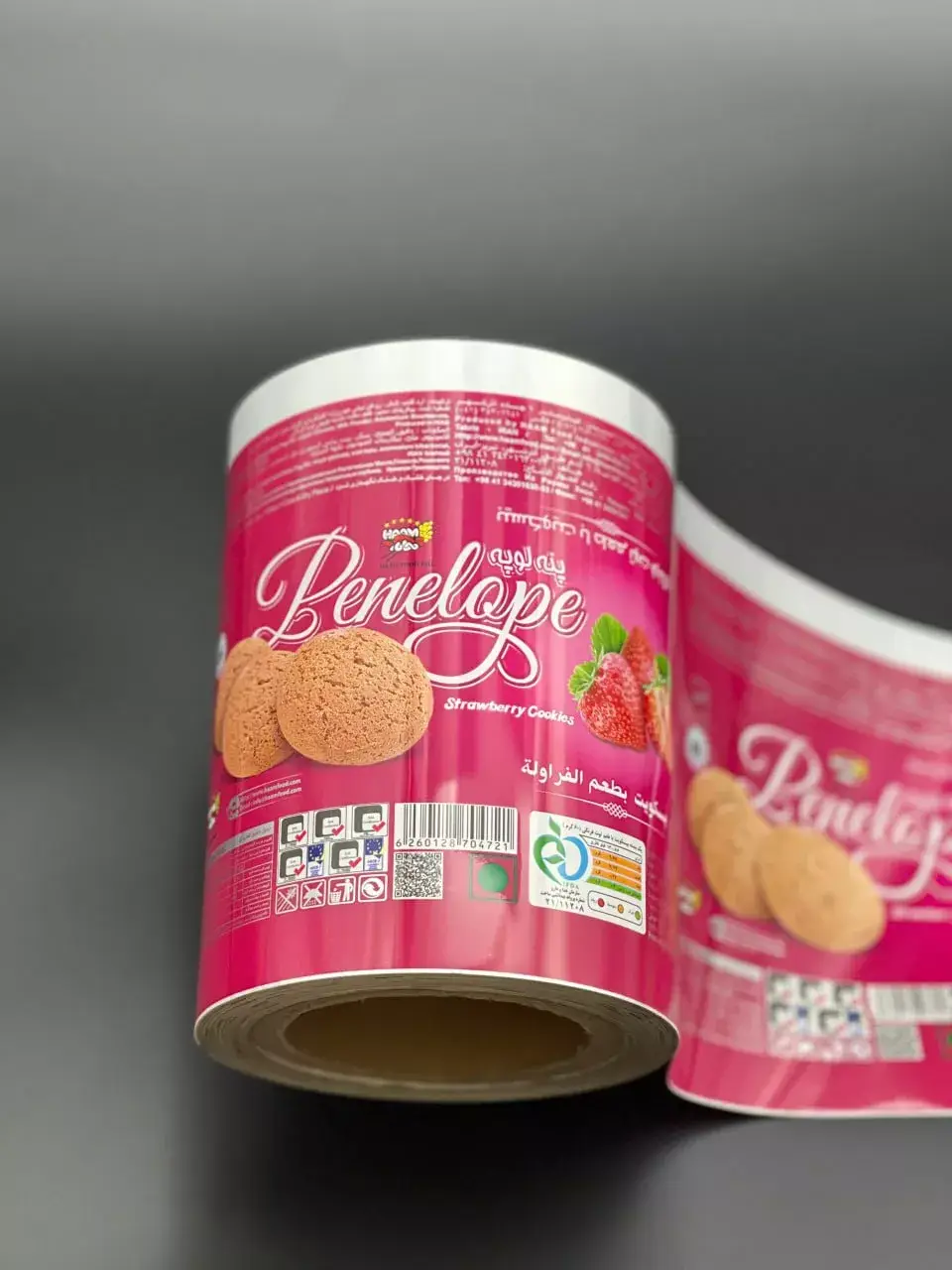
Biaxially Oriented Polypropylene (BOPP) and Biaxially Oriented Polyethylene (BOP) films are widely used in packaging due to their excellent properties. The production process involves several steps, including:
1) Extrusion: Plastic pellets are melted and extruded through a flat die to form a thin sheet.
2) Orientation: The sheet is stretched in both longitudinal and transverse directions to enhance its physical properties.
3) Printing: The film is surface-treated to improve ink adhesion and printed with the desired design or text.
4) Coating: A coating layer may be applied to improve the film’s barrier properties or for sealing purposes.
5) Slitting: The film is slit into narrower rolls for conversion into packaging materials.
The merits of utilizing BOPP and BOPE films in packaging include:
- High clarity and gloss: These films offer excellent optical properties, making them suitable for transparent packaging.
- Good mechanical properties: The biaxial orientation process enhances the film’s strength, toughness, and puncture resistance.
- Barrier properties: BOPP and BOP films provide good moisture, gas, and odor barrier properties, protecting the contents from environmental factors.
- Easy printability: The films’ smooth surface enables high-quality printing, allowing for attractive and informative packaging.
- Versatility: These films can be converted into various packaging formats, such as bags, pouches, and labels, for a wide range of applications.
In summary, BOPP and BOP films are produced through a multi-step process and are popular in packaging due to their excellent optical, mechanical, and barrier properties, as well as their versatility and printability.
